
Teaching Children Perseverance and Resilience Through Taekwondo
taekwondo classes for kids
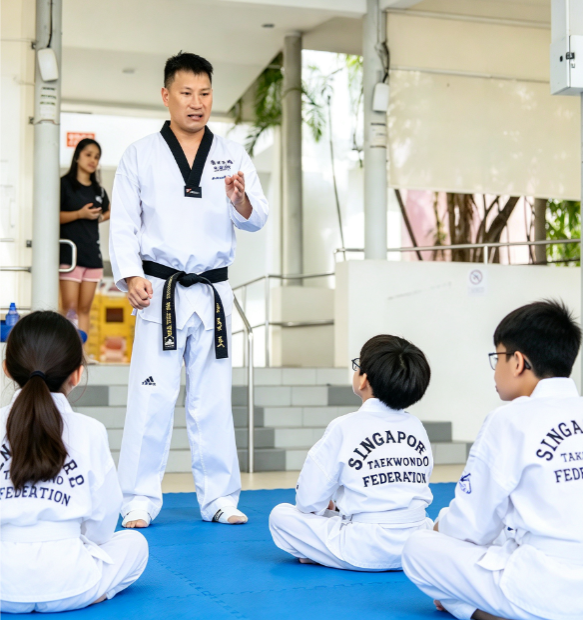
Growing up involves learning how to deal with situations that do not always go according to plan. Children may struggle with schoolwork, find it difficult to make new friends or become disappointed when they cannot achieve something immediately. These experiences are a normal part of development, but children need guidance to understand how to respond constructively. One useful way to introduce perseverance is through activities that allow them to face manageable challenges and recognise their own progress.
Taekwondo provides this type of learning experience. Through taekwondo classes for kids, children are introduced to physical techniques that require practice, patience and determination. They learn that becoming better at something is a gradual process. A movement that seems difficult during the first lesson may become easier after repeated practice, helping children understand the value of continuing even when progress feels slow.
What Perseverance Means for Children
Perseverance is the ability to continue working towards a goal despite difficulties or setbacks. It does not mean ignoring frustration or forcing children to continue when they need a break. Rather, it involves helping them understand that challenges can be approached through patience, effort and suitable support.
During childhood, perseverance can influence how children approach learning. A student who becomes frustrated with a difficult school assignment may be tempted to give up. Another child may be willing to try different approaches, ask questions and continue working towards an answer.
These behaviours develop through many experiences, including family guidance, school activities and extracurricular programmes.
Learning That Progress Takes Time
Taekwondo introduces children to a structured learning process. Beginners start with basic techniques before gradually developing more advanced movements.
Some children may learn particular skills quickly, while others require additional practice. This teaches them that everyone has a different learning pace.
Accepting Mistakes as Part of Improvement
Making mistakes is unavoidable when learning something unfamiliar. A child may lose balance during a kick or forget the correct order of a movement.
A supportive instructor can explain what needs to improve without making the student feel embarrassed. Children learn that mistakes are opportunities to understand what they can do differently.
How Taekwondo Encourages Resilience
Resilience refers to the ability to adapt and recover when facing difficulties. It is not about never feeling upset or disappointed. Instead, resilient children gradually learn how to manage setbacks and seek appropriate support.
Martial arts training can provide opportunities to practise this process in a supervised environment.
Facing New Challenges Gradually
A beginner may initially find certain techniques unfamiliar. As training continues, children become more comfortable with the movements and learn how to approach new challenges.
This gradual progression helps them experience the relationship between practice and improvement.
Receiving Feedback Positively
Instructors often need to correct a student's positioning, balance or technique. Children learn to listen to feedback and make adjustments rather than interpreting every correction as criticism.
This can be a valuable lesson in other learning environments, where guidance is part of developing new abilities.
Building a Positive Attitude Towards Challenges
Children can be encouraged to view difficult tasks as opportunities to learn. This does not mean pretending that every challenge is easy.
Instead, they learn to identify what they find difficult and consider what support or practice might help.
Recognising Personal Improvement
A child who once struggled with a basic movement may eventually perform it with greater control. Recognising this improvement helps reinforce the value of effort.
Confidence Comes from Experience
When children experience manageable challenges and see themselves making progress, they have practical reasons to feel more confident about attempting new things.
The Role of Belt Progression in Children's Motivation
Belt progression is a familiar feature of Taekwondo. It provides a structured way for students to recognise their learning milestones.
However, belt achievement should not be the only measure of a child's development. Understanding techniques, demonstrating respect and maintaining safe training habits are also important.
Setting Realistic Goals
Children can benefit from having clear goals that match their current abilities. These might include improving balance, remembering a sequence or performing a basic movement with better control.
Small goals make progress easier to recognise and help students stay engaged.
Celebrating Effort and Consistency
Parents should recognise the effort children put into training rather than focusing exclusively on their achievements.
A child who attends regularly, listens carefully and keeps practising deserves encouragement even if they have not reached a new belt level.
Developing Emotional Control Through Martial Arts
Resilience also involves understanding how to respond to frustration and disappointment.
Children may feel upset when a technique does not work or when they need more time than classmates to learn something. Martial arts can provide an opportunity to practise staying calm, listening and trying again.
Learning to Pause Before Reacting
Self-control is an important part of responsible martial arts training. Students should learn that physical techniques require careful attention and must never be used to intimidate others.
They can also be encouraged to pause when frustrated, listen to instructions and approach difficult situations calmly.
Understanding the Difference Between Strength and Aggression
A child should never believe that being strong means dominating others. Taekwondo should reinforce respect, courtesy and responsibility.
Physical skills are developed for learning and responsible self-protection, not for starting arguments or showing superiority.
Supporting Resilience Outside the Dojang
Parents can reinforce the lessons children learn through training by encouraging realistic expectations at home.
When a child struggles with homework, for example, parents can help break the task into smaller steps rather than immediately providing the answer.
When children experience disappointment, listening to their feelings can help them understand that difficult emotions are manageable.
Encourage Effort Without Creating Pressure
Children need encouragement, but they also need adequate rest and time for other interests. Extracurricular activities should support their development rather than become another source of stress.
Avoid Comparing Children
Every child develops differently. Comparing one student's speed, flexibility or belt progression with another's can create unnecessary pressure.
A healthier approach is to recognise individual improvement and help children focus on achievable goals.
Finding a Suitable Taekwondo Programme in Singapore
Parents considering taekwondo classes for kids should look for instructors who understand children's learning needs and can provide age-appropriate challenges.
A good training environment should encourage patience, respect and gradual improvement. Students should receive clear guidance, appropriate supervision and constructive feedback.
Parents can ask about beginner classes, class sizes, lesson structures and opportunities to observe or attend a trial session.
The most suitable programme is one that allows children to develop their abilities while enjoying the experience of learning martial arts.
Give Your Child the Opportunity to Grow Stronger
Resilience is not developed through one lesson or a single achievement. It grows through repeated experiences where children learn to face challenges, accept guidance and recognise their progress.
Taekwondo can provide a positive setting for these lessons while introducing children to physical activity and responsible martial arts practice.
If you want your child to experience an activity that combines discipline, perseverance and physical development, explore taekwondo classes for kids at OP Academy. Give your child the opportunity to learn at a suitable pace, build confidence and develop valuable habits through structured training. Visit https://opacademy.net/taekwondo-classes-for-children-singapore/ to discover OP Academy's children's Taekwondo programme in Singapore.