A Practical Guide to Understanding Natural Crystals and Gemstones for Retailers in Singapore
This is a subtitle for your new post
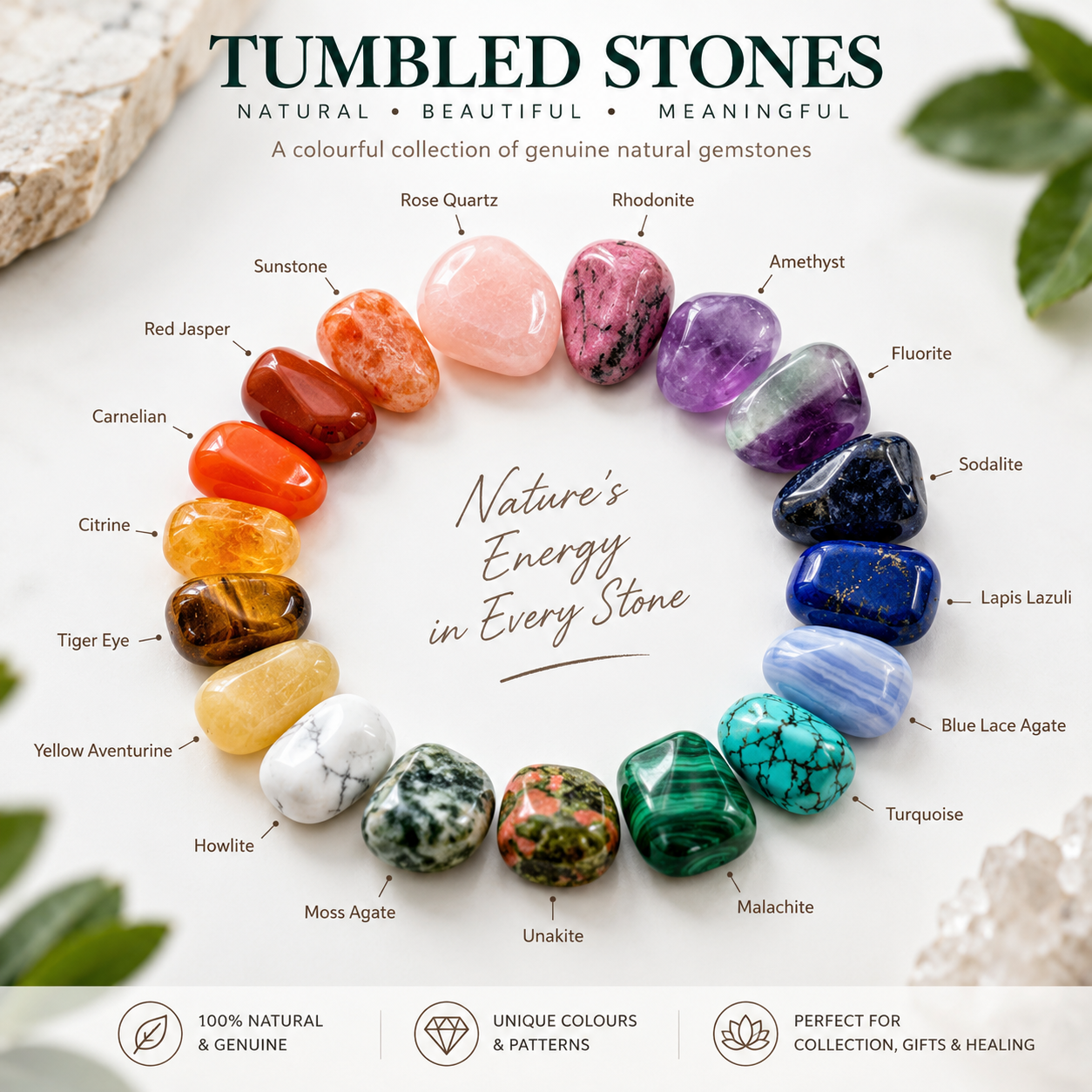
Natural crystals and gemstones come in a wide variety of colours, shapes, textures and mineral types. For retailers, understanding these differences is more than a product knowledge exercise. It helps staff answer customer questions, prepare accurate product descriptions and recommend suitable items without making claims that cannot be verified.
Businesses sourcing from a crystals wholesaler Singapore retailers can approach should develop a basic understanding of the products they sell. This does not mean every shop assistant must become a gemmologist. Instead, retailers should know how to identify the information available, explain natural variation and recognise when a question requires confirmation from a qualified specialist or supplier.
In Singapore's competitive retail environment, clear and responsible product information can help distinguish a business from sellers who rely on vague descriptions. It also supports customer confidence by making the buying process more transparent.
What Is the Difference Between a Crystal, a Mineral and a Gemstone?
The terms crystal, mineral and gemstone are related, but they do not mean exactly the same thing. A mineral is a naturally occurring substance with a characteristic chemical composition and internal structure, although mineral classification involves specific scientific criteria. A crystal describes a solid material whose atoms are arranged in an ordered structure, while the word gemstone is commonly used for a material valued for jewellery or decorative use.
Not every mineral is commonly used as a gemstone, and not every product marketed as a crystal is a single natural mineral specimen. Some retail products may include composite materials, treated stones, manufactured materials or decorative objects made from several components. Retailers should therefore use product descriptions that reflect what is actually being sold.
When a supplier provides a mineral name, use it appropriately and retain the supporting product information. If the exact identification is uncertain, avoid presenting an assumption as a confirmed fact. Accurate terminology is especially important when selling higher-value products or serving customers who collect mineral specimens.
Understand Common Gemstone Categories
Retailers do not need to memorise every mineral variety to communicate effectively. Learning the basic characteristics of the products in their own catalogue is a more practical starting point.
Quartz Varieties
Quartz is a mineral found in several varieties that are familiar in the crystal trade. Amethyst is associated with purple colour, rose quartz is commonly pink, and clear quartz is generally transparent or translucent, although individual pieces may contain visible inclusions.
These varieties are used in decorative products, jewellery and collectible items. Their appearance can differ according to the individual piece, processing and any treatments that may have been applied. Product listings should describe the actual item's colour and finish rather than suggesting that every piece of a variety looks identical.
Agate and Other Patterned Materials
Agate is a variety of chalcedony often recognised by its banding or patterned appearance. These patterns can make individual pieces visually distinctive, which may appeal to customers choosing decorative stones or jewellery materials.
Retailers should explain visible features clearly and avoid guaranteeing an exact pattern unless the customer is purchasing the specific photographed piece. If a product is sold in multiple units, explain whether the images show representative examples or the actual items available.
Tiger's Eye and Aventurine
Tiger's eye is known for its characteristic reflective appearance and commonly warm brown or golden tones. Aventurine is often associated with green colour, although other varieties exist. Both materials can appear in different product formats, including beads and decorative stones.
The mineral name alone does not establish every detail about a particular product. Retailers should check the material identification, finish, dimensions and any relevant treatment information supplied for the item.
Why Natural Variation Should Be Explained Clearly
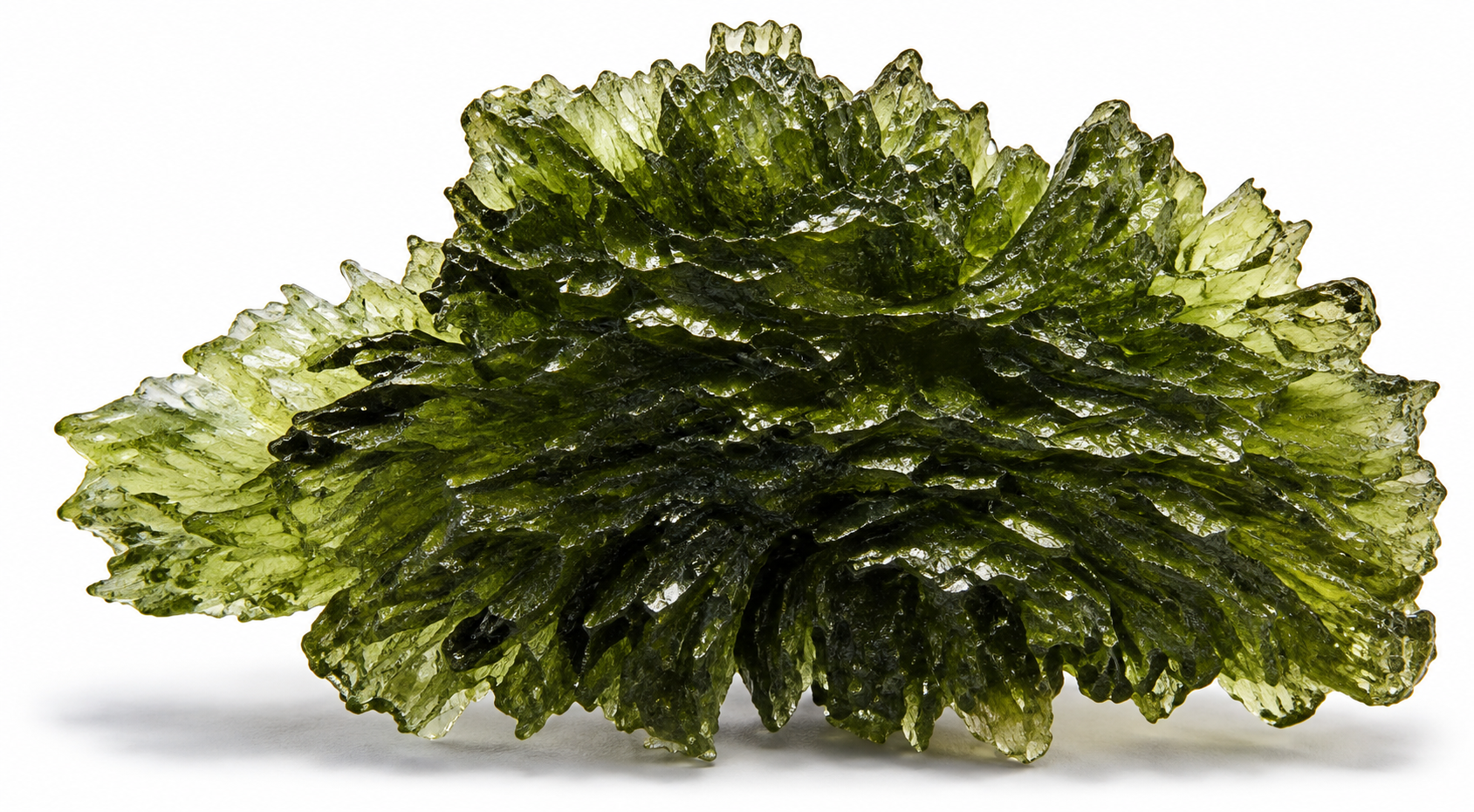
One important difference between natural stones and standardised manufactured products is that individual pieces may not be visually identical. Variations can occur in colour, pattern, transparency, inclusions, shape and dimensions. The amount of variation depends on the material and how the product has been processed.
This is not automatically a defect. For some customers, individual variation is part of the appeal of natural materials. However, buyers should know what level of variation to expect before completing a purchase, particularly when ordering online or buying multiple pieces for one project.
Retailers can explain this with straightforward wording in product descriptions, labels and staff guidance. For example, a listing can state that natural colour and pattern differences may occur between pieces. If a customer needs a specific appearance, the business should confirm whether selection from actual available stock is possible.
Clear communication can prevent misunderstandings and help customers make decisions based on realistic expectations.
Learn to Describe Product Quality Without Overpromising
Product quality should be explained using relevant, observable or verifiable characteristics. Depending on the item, these may include dimensions, polish, surface condition, colour, visible inclusions, shape and suitability for the intended use.
Avoid relying on broad descriptions such as “perfect quality” or “the best gemstone” without explaining what those terms mean. A more useful description identifies the features that customers can assess and any limitations they should know about.
Retailers should also be careful with words such as “rare”, “untreated”, “certified” and “authentic”. These terms can influence purchasing decisions and should be supported by appropriate evidence. A supplier's product label may be useful, but additional verification may be necessary for claims that materially affect value or customer expectations.
For high-value gemstones or disputed identifications, consider independent assessment by a qualified gemmologist or recognised gemmological laboratory. Do not imply that every retail stone has been independently certified unless that is actually the case.
Handle Questions About Crystal Properties Responsibly
Some customers buy crystals for decorative purposes, while others are interested in cultural traditions or spiritual symbolism. Retailers can acknowledge these interests without presenting traditional beliefs as scientifically proven outcomes.
For example, a shop may explain that certain crystals are traditionally associated with particular symbolic meanings in some communities. The description should make clear that these are cultural or spiritual associations rather than guaranteed effects on health, relationships, finances or personal circumstances.
This distinction matters because customers deserve information that does not mislead them. Avoid promising that a product can cure a medical condition, guarantee good fortune or produce a specific life outcome. Where a customer asks about medical benefits, do not present a crystal as a substitute for professional healthcare.
Responsible descriptions allow retailers to discuss the cultural context of their products while maintaining credibility and a professional approach.
Create a Product Knowledge System for Your Team
Consistent product knowledge becomes more important as a business grows. If different staff members give conflicting answers about the same item, customers may become uncertain about the information they receive.
Create a simple product reference sheet for each major category. Include the product name, verified material description, dimensions, finish, care guidance where appropriate and any limitations or variations customers should understand. Record the source of important information so that staff know when a detail has been confirmed and when it needs checking.
Train staff to distinguish between facts, general descriptions and traditional beliefs. Encourage them to say that they will verify an answer rather than guess when they are unsure. This is particularly useful for questions about treatments, origin, certification or suitability for a specific purpose.
For online stores, use the same verified information across product pages, customer service replies and marketing materials. Consistency helps prevent contradictory claims across different sales channels.
Work with Suppliers Who Can Clarify Product Details
Wholesale sourcing affects the quality of the information a retailer can provide. A supplier who communicates product specifications clearly can make it easier to prepare listings, train staff and respond to customer enquiries.
When evaluating a crystals wholesaler in Singapore, ask what information is available for the products you intend to purchase. Depending on the item, this may include material identification, dimensions, finish, natural variation, treatment information and current availability.
Do not assume that every supplier can provide laboratory reports or detailed origin documentation for every product. Confirm what evidence is available and make purchasing decisions based on the importance of that information to your business and customers.
EOCEAN is a Singapore-based crystals and gemstones business that retailers can explore when researching potential wholesale suppliers. Contact the company directly to confirm its current product range and ask for relevant specifications before using specific product claims in your own listings.
Frequently Asked Questions
How can retailers learn more about natural crystals?
Start with the materials actually sold in your shop. Use reliable mineral references, supplier specifications and qualified professional advice where needed. Keep product information organised so staff can answer common questions consistently.
Are all crystals natural and untreated?
No. Retail crystal products may include natural materials, treated stones, manufactured materials or products made from multiple components. Retailers should confirm what is being sold and describe it accurately.
Why do two crystals of the same type look different?
Natural stones can vary in colour, inclusions, pattern and shape. Processing and treatments may also affect appearance, so individual items should be described according to their actual characteristics where possible.
Can retailers advertise the spiritual meaning of crystals?
Retailers can describe traditional or cultural associations when relevant, provided they do not present beliefs as scientifically established facts or make misleading promises about health, financial or personal outcomes.
When should a retailer seek professional gemstone assessment?
Professional assessment may be appropriate when identification, treatment status or value is important to a high-value transaction or customer claim. A qualified gemmologist or recognised laboratory can provide more specialised evaluation than a general retail description.
Turn Product Knowledge into Customer Confidence
Understanding the products you sell helps your business answer questions more accurately, describe natural variation responsibly and make more informed sourcing decisions. Clear terminology and honest product information can also strengthen the relationship between your staff and customers.
Want to build a crystal and gemstone range with clearer product information? Visit EOCEAN and enquire about its current products and wholesale arrangements. Discuss the categories you are interested in and request the available product details before ordering, so your business can make better-informed decisions and give customers a more trustworthy shopping experience.