
Beginner Taekwondo Classes for Children in Singapore
taekwondo classes for kids
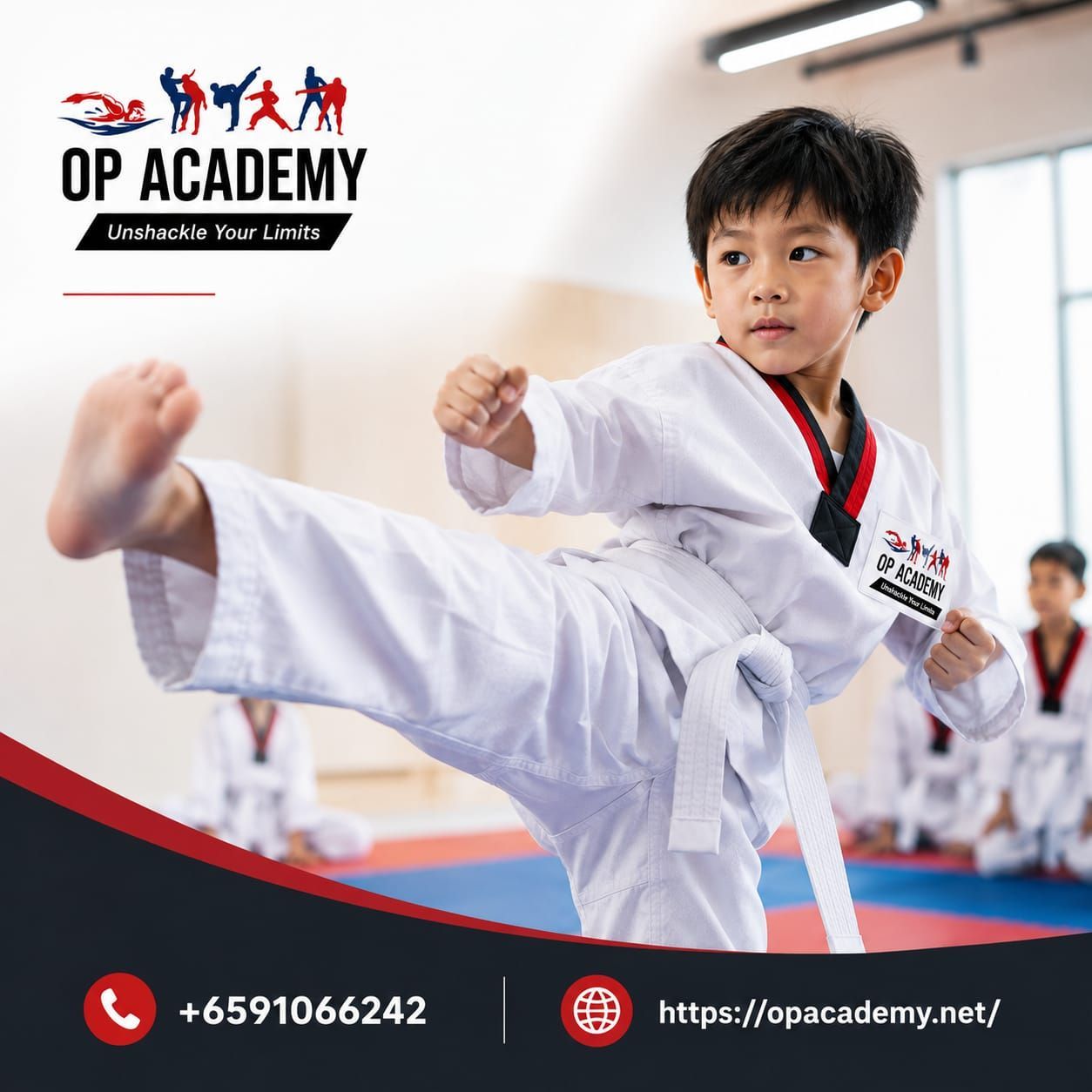
Beginner Taekwondo Classes for Children in Singapore Who Are Ready to Try Something New
Starting a new activity can feel exciting, but it can also make children nervous when they do not know what to expect. Parents may wonder whether their child needs to be naturally athletic, physically strong or experienced in sports before joining a martial arts class, especially if this is their first structured physical activity.
The good news is that children can explore Taekwondo as beginners when the programme is suitable for their age, abilities and readiness to follow instructions. Beginner Taekwondo classes for kids in Singapore can introduce fundamental movements, simple training routines and the value of practising consistently, giving children an opportunity to learn without needing previous martial arts experience.
Does Your Child Need Experience Before Starting Taekwondo?
One common concern among parents is that their child might struggle to keep up with classmates who already have experience. This concern is understandable, particularly when children are still developing coordination, confidence and the ability to learn unfamiliar movements in a group setting.
However, beginners do not need to arrive knowing how to perform advanced kicks or martial arts combinations. The important starting points are an age-appropriate programme, clear instruction and a willingness to participate, with the pace of learning adjusted to the child's developmental needs and existing abilities.
Start with Fundamental Movements
A beginner's introduction to Taekwondo typically focuses on basic stances, footwork, balance, simple techniques and understanding training instructions. Children gradually become familiar with the movements through demonstrations and repetition, rather than being expected to master everything during their first session.
Learning fundamentals properly also helps establish safer movement habits before more complex techniques are introduced. Parents should ask OP Academy about its beginner teaching approach to understand how children are introduced to the programme and what they can expect during the early stages of training.
Let Children Learn at Their Own Pace
Some children understand a movement quickly, while others need several demonstrations and more opportunities to practise before feeling comfortable. This difference is a normal part of learning, and it should not automatically be treated as a sign that a child is unsuitable for martial arts.
Parents can help by focusing on effort, participation and gradual improvement instead of expecting immediate performance. When children understand that mistakes are part of learning, they may become more willing to try again, ask questions and approach unfamiliar activities with greater confidence.
What Happens During a Taekwondo Class for Beginners?
Understanding a typical lesson can help parents prepare their children and reduce uncertainty before their first session. Although the exact format depends on the school and programme, a structured class may include a warm-up, fundamental movements, technique practice, instructor demonstrations and a supervised cool-down.
Each part of the session serves a practical purpose, from preparing the body for movement to helping children practise techniques with greater control. Parents should confirm the actual lesson format with the school rather than assume that every Taekwondo class follows an identical structure.
Warm-Ups and Movement Preparation
Warm-ups introduce children to movement before they begin practising the main techniques. Depending on the lesson, these activities may include light movement, mobility exercises, coordination tasks and other age-appropriate preparation designed to help children participate safely.
Children can also begin learning the importance of following instructions before physical training becomes more demanding. This routine encourages them to recognise that preparation and controlled movement are important parts of physical activity, not steps that should be skipped to get straight to the exciting techniques.
Technique Practice and Repetition
During the main training segment, children may practise basic kicks, hand techniques, footwork and body positioning under instructor supervision. Repetition gives them opportunities to understand the movement, identify areas that need improvement and become more familiar with coordinating different parts of the body.
The purpose of practice is not to perform every technique at maximum speed or power. Beginners benefit from understanding control, balance and correct movement before attempting more demanding combinations, with the instructor determining what is appropriate for each participant.
Learning to Follow Rules and Work with Others
Group training gives children opportunities to listen carefully, take turns and share a learning environment with other students. They also learn that training rules exist to help everyone participate responsibly and reduce unnecessary risks during physical activities.
These experiences can be especially useful for children who are learning to manage group routines outside the classroom. However, every child responds differently, so parents should view these as opportunities for development rather than guaranteed changes in behaviour.
How to Prepare Your Child for the First Taekwondo Lesson
Preparation does not require buying expensive equipment or expecting your child to practise martial arts at home before attending. In most cases, the first step is to confirm the school's requirements, explain what the child can expect and make sure they arrive with enough time to settle in before the session begins.
Parents should check what clothing is acceptable, whether training equipment is provided and whether any specific safety instructions apply. Following the school's guidance helps prevent unnecessary confusion and allows the child to concentrate on experiencing the activity for the first time.
Explain the Purpose of Learning Taekwondo
Children may have different reasons for wanting to try martial arts, such as learning new movements, becoming more active or following the example of a friend. A simple explanation that Taekwondo involves practice, listening, respect and controlled movement can help establish realistic expectations before the lesson starts.
Avoid presenting the class as a test that the child must pass or an activity they must excel at immediately. Instead, encourage them to observe, participate as instructed and enjoy discovering something new, while allowing them to share any concerns they have after the session.
Choose a Practical Training Schedule
A beginner's enthusiasm can make it tempting to commit to a demanding schedule straight away, but schoolwork, sleep and family commitments still need to be considered. Ask about the available class frequency and select an arrangement that allows your child to attend consistently without making the rest of the week unnecessarily stressful.
Regular participation gives children more opportunities to become familiar with the training routine and practise what they have learned. The best schedule is one that suits the child's needs and remains manageable for the family over the longer term.
Finding the Right Taekwondo Classes for Kids in Singapore
When comparing Taekwondo classes for children, look for a programme that explains its expectations clearly and welcomes questions from parents. Important considerations include the suitability of the class for beginners, instructor supervision, safety practices, training arrangements, fees and how the school communicates with families.
It is equally important to consider your child's comfort with the learning environment. An activity may look appealing online, but the real decision should be based on whether the programme's approach, schedule and requirements are suitable for your child.
Questions to Ask Before Enrolling
Parents can ask about minimum-age requirements, class sizes, lesson duration, clothing, training equipment and whether trial sessions or introductory arrangements are available. It is also sensible to understand the school's policies on missed classes, fees and any additional costs before making a commitment.
For families considering OP Academy, a direct enquiry is the most practical way to obtain current information about its Taekwondo classes. Clear answers can help you compare options confidently and avoid making a decision based solely on advertising claims.
Discover Beginner Taekwondo Training at OP Academy
Every child starts somewhere, and previous martial arts experience should not be the only factor parents consider when exploring an extracurricular activity. OP Academy is worth enquiring with if you are looking for Taekwondo options for your child and want to understand the programme's age groups, beginner arrangements, training schedule and enrolment process.
Use your enquiry to explain your child's age and experience level, then ask which available class may be suitable. This allows you to gather relevant information before deciding whether to proceed and helps set clearer expectations for the child's first training experience.
Take the First Step Towards Taekwondo with OP Academy
Your child does not have to be the strongest, fastest or most confident person in the room to begin learning a new skill. What matters is having an appropriate opportunity to participate, practise and discover what they can achieve through patience and consistent effort.
Looking for beginner
taekwondo classes for kids in Singapore? Contact OP Academy today to enquire about suitable classes, available schedules and enrolment options. Take the first step towards introducing your child to martial arts training and explore how Taekwondo could become a rewarding part of their weekly routine with OP Academy.