Office Feng Shui Singapore for a More Purposeful and Professional Business Space
feng shui services
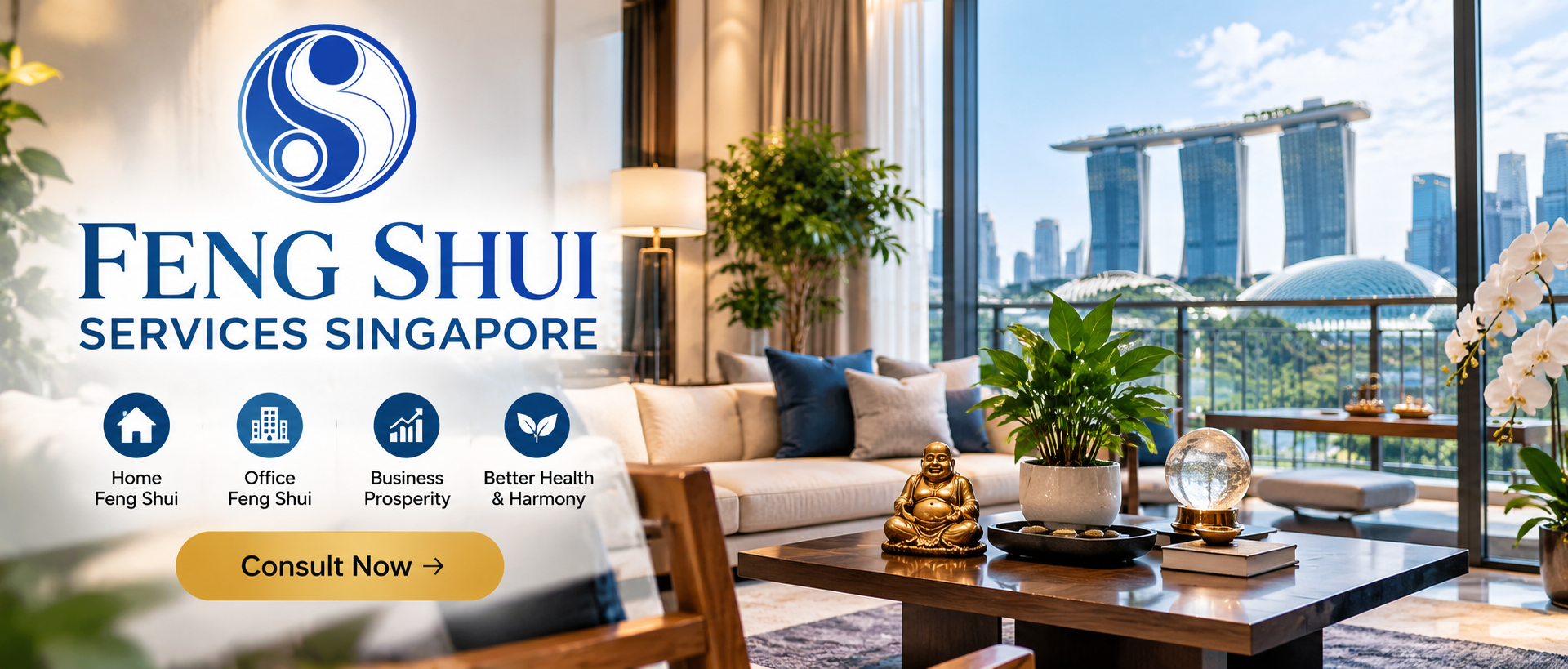
Running a business in Singapore means making decisions about people, operations, customer experience and the cost of maintaining a suitable workplace. Whether you operate from a commercial unit, manage a growing team or run a small business from a dedicated home office, the way your workspace is arranged can affect how comfortably people move, communicate and carry out their daily tasks.
Office feng shui Singapore is worth exploring if you want to review your working environment through the lens of traditional Chinese spatial principles. A professional consultation can help you assess the arrangement of important areas and consider practical adjustments, while keeping your business objectives, existing premises and operational requirements in view.
Why Singapore Business Owners Explore Office Feng Shui
A workplace serves several purposes beyond providing desks and meeting rooms. It may welcome customers, support confidential discussions, accommodate staff collaboration and reflect the identity of the business, so its layout deserves careful consideration when you are setting up or reviewing your premises.
Traditional feng shui offers one framework for assessing the relationship between a space, its orientation and its arrangement. For business owners interested in this practice, professional feng shui services can provide a structured way to review the environment instead of relying on isolated tips about lucky objects, colours or desk positions.
The Main Entrance and Reception Area
The entrance is often the first part of an office that visitors encounter, making accessibility, organisation and presentation important considerations. From a practical perspective, a clear entryway and an orderly reception area help people understand where to go, while traditional feng shui may also examine the entrance's position and relationship with the rest of the premises.
A consultation can help you review these elements in the context of the actual office layout. Recommendations should account for fire safety requirements, building regulations, accessibility and the needs of your staff rather than prioritising symbolic arrangements at the expense of everyday functionality.
Workstation and Desk Placement
The location of a desk can influence visibility, access to equipment, movement around the office and the level of distraction experienced during the working day. Traditional feng shui also considers workstation placement as part of a broader assessment of the space, although no desk position can guarantee better performance or business results.
If you are reorganising a small office, the challenge is often to balance individual working needs with limited floor space. A professional assessment can help you consider the available options while keeping practical matters such as power points, lighting, meeting access and team workflow in mind.
Office Feng Shui for Different Types of Singapore Businesses
Not every business needs the same office arrangement. A professional services firm may require private consultation rooms, a retail business may prioritise customer movement, and a start-up may need flexible workstations that can accommodate a growing team.
This is why a tailored office feng shui consultation can be more relevant than general advice. By explaining your business model, premises and priorities, you can focus the discussion on the areas that matter most instead of applying recommendations that may not suit your operations.
Professional Offices and Corporate Workplaces
For corporate offices, planning often involves a mix of open work areas, meeting rooms, management offices and spaces for confidential conversations. A feng shui review can consider the layout of these zones while respecting the practical requirements of the organisation and the way different teams work together.
Where changes are possible, you can evaluate options for desk positioning, room usage and the arrangement of shared spaces. The purpose is to make informed decisions about the environment, not to replace facilities planning, workplace safety requirements or evidence-based management practices.
Retail Shops and Customer-Facing Businesses
Retail and service businesses depend on customers being able to enter, navigate and understand the space comfortably. Product visibility, clear walkways, lighting, accessibility and the position of the service counter all deserve attention when planning a customer-facing environment.
Traditional feng shui may offer additional considerations concerning the entrance, layout and arrangement of key areas. A consultation should complement commercial priorities such as customer service, inventory management and sales analysis, rather than promise that a particular arrangement will automatically increase revenue.
Home Offices for Entrepreneurs and Remote Professionals
Working from home has become a practical arrangement for many professionals and business owners, but not every home has a dedicated study. Some people work from a spare bedroom, while others need to create a functional workspace within a living area without disrupting family routines.
Home office feng shui can be explored alongside practical planning to identify a suitable desk location, maintain clear movement and create a more organised working zone. Even where structural changes are not possible, thoughtful furniture placement and a clear separation between work and personal activities can make the space easier to use.
When Should You Arrange an Office Feng Shui Consultation?
The best time to review your workplace is often before major decisions become difficult to reverse. If you are selecting a new commercial unit, negotiating a lease, planning an office renovation or moving an established team, a consultation may help you consider the layout before committing to expensive furniture and fit-out work.
You can also consider an assessment when your existing office no longer supports the way your business operates. For example, a growing team may need different workstation arrangements, or a change in business activities may require additional meeting areas, storage or customer-facing space.
Information to Prepare Before the Consultation
Start with the office floor plan, the property's address or orientation information where relevant, and a brief explanation of your business activities. You should also identify any non-negotiable requirements, such as fixed partitions, landlord restrictions, safety considerations, accessibility needs and the maximum budget available for adjustments.
Prepare a few specific questions rather than expecting a single consultation to solve every business challenge. This allows the discussion to focus on practical options, helps establish realistic expectations and makes it easier to evaluate whether the proposed recommendations fit your organisation.
What to Look for in a Feng Shui Consultant in Singapore
Choosing a consultant involves more than comparing prices or looking for impressive claims. Review the stated services, consultation process and relevant experience, and ask how recommendations are developed and communicated so you can understand what you are paying for.
Master Vanessa at Siiri Geomancy is a point of contact for those exploring traditional feng shui services in Singapore. Before booking, enquire about the scope of office assessments, the information required and the deliverables available for your type of premises, particularly if you need to coordinate recommendations with an interior designer or facilities team.
Practical Advice Should Come Before Expensive Changes
A professional consultation should give you a clear understanding of the reasoning behind its recommendations. Be cautious of claims that a specific desk position, decoration or ritual will guarantee wealth, attract customers or solve business difficulties, because commercial performance depends on many factors beyond the physical arrangement of an office.
Ask which adjustments are practical, which are optional and whether any proposed changes require approval from your landlord or building management. This helps you preserve control over your spending and ensures that traditional feng shui considerations remain compatible with your business's actual needs.
Frequently Asked Questions About Office Feng Shui Singapore
Can feng shui be applied to a small office?
Yes. A small office can still be assessed according to its layout and available space. Recommendations should take into account the actual floor plan, the number of occupants, equipment requirements and essential access routes.
Should I consult before renovating my office?
If you want feng shui considerations to inform the layout, consulting before finalising renovation plans may provide more flexibility. Coordinate any proposed changes with your designer, landlord and relevant building requirements.
Can office feng shui guarantee business success?
No. Feng shui does not guarantee profits, customer growth or career advancement. It is a traditional framework for reviewing a physical environment and should complement sound business planning, customer research and financial management.
How do I enquire about office feng shui services?
Visit Master Vanessa's official website and enquire about the office consultation options. Explain your premises, business requirements and objectives so the appropriate scope can be discussed before you make a booking.
Plan Your Business Environment with Master Vanessa
Your office should support the way your business actually operates, from welcoming customers to helping your team carry out its daily responsibilities. If you are relocating, redesigning a workspace or looking for a more considered way to review your premises, professional feng shui services can provide an additional perspective on the layout and arrangement of your environment. Visit MasterVanessa.com today to explore feng shui Singapore services, enquire about office consultation options and discuss how traditional feng shui principles may be applied to your business premises. Make your next workplace decision with greater clarity, realistic expectations and a plan that respects both your business goals and your budget.