Keep Your Natural Teeth for Longer with Better Gum Care in Clementi
dentist at clementi
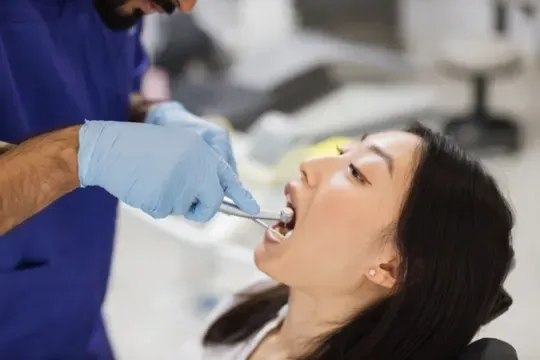
Most people want to keep their natural teeth for as long as possible. Being able to enjoy a meal with family, smile comfortably in photographs and speak without worrying about loose teeth are everyday things that are easy to take for granted. Yet healthy teeth depend on more than strong enamel. The gums and supporting bone also play an essential role, which is why visiting a dentist at clementi for appropriate gum assessment can be an important part of long-term oral care.
For adults and families in Singapore, looking after gum health is not simply about achieving a cleaner smile. It is about recognising potential problems early, understanding personal risk factors and maintaining the tissues that support your teeth. Whether you are in your thirties, approaching retirement or helping an older family member manage their oral health, practical periodontal care can make a meaningful difference.
Your Gums Are the Foundation of a Healthy Smile
Your teeth are supported by a complex system of gum tissue, periodontal ligaments and surrounding bone. These structures work together to keep your teeth stable when you chew, speak and go about daily activities. When gum disease develops, inflammation may affect these tissues and, in more advanced cases, damage the bone that holds teeth in place.
The early stage, gingivitis, commonly causes redness, swelling and bleeding. If the condition progresses to periodontitis, deeper supporting tissues may become involved. Over time, this can result in gum recession, changes in tooth position and increased tooth mobility. Because progression varies between individuals, an examination is needed to understand the actual condition rather than judging severity by symptoms alone.
Why Healthy-Looking Teeth Can Still Have Gum Problems
A tooth may appear white and free from obvious cavities while the gums around it are inflamed. Gum disease often begins near or below the gumline, where plaque can accumulate in areas that are not immediately visible when you smile. This means the appearance of your teeth alone is not a reliable indication of periodontal health.
A dentist at clementi can assess the gums as well as the teeth, helping to identify concerns that may otherwise be overlooked. This is particularly relevant if you have persistent bleeding, bad breath, gum recession or a history of periodontal treatment.
Why Gum Health Becomes More Important as You Get Older
Ageing itself does not automatically cause gum disease, and losing teeth is not an inevitable part of growing older. However, some adults accumulate more dental problems over time, especially when plaque control is inconsistent or existing periodontal disease has not been managed.
Medical conditions, medications, reduced dexterity and changes in oral hygiene habits may also make gum care more challenging for some older adults. A personalised dental assessment can help identify practical adjustments that make daily cleaning easier and support long-term oral health.
The Connection Between Diabetes and Gum Disease
Diabetes and periodontal disease have a well-established relationship. People with poorly controlled diabetes may have a higher risk of developing periodontal problems, and inflammation from periodontal disease may complicate blood glucose management. This does not mean everyone with diabetes will develop gum disease, but it highlights the importance of coordinated care.
If you have diabetes, tell your dentist about your condition and relevant medications. Maintaining good oral hygiene, attending appropriate dental appointments and working with your medical team to manage blood glucose can support your overall health.
How Smoking Can Affect Gum Health
Smoking is an important risk factor for periodontal disease. It can affect the body's response to infection and interfere with healing, making gum problems more difficult to manage. In some smokers, gum bleeding may also be less obvious despite underlying disease.
Stopping smoking offers benefits for oral and general health. If you smoke and have noticed gum recession, persistent bad breath or loose teeth, arranging a dental examination is especially worthwhile.
Early Signs That Your Gum Health May Be Changing
Gum problems can develop slowly, and the warning signs are not always dramatic. You might notice that your toothbrush occasionally picks up blood, that food gets trapped in new spaces between teeth, or that your gums look slightly lower than before. These changes are worth mentioning during a dental appointment even if they do not cause pain.
Other symptoms include swollen gums, persistent unpleasant breath, sensitivity around exposed roots and changes in the way your teeth fit together. If an adult tooth feels loose, or if you notice pus or a painful swelling, seek prompt dental attention. The sooner the cause is identified, the sooner an appropriate management plan can be discussed.
How Gum Disease Can Affect Everyday Life
Enjoying Food Comfortably
Healthy teeth and supporting tissues help you chew a wide variety of foods comfortably. When gum disease becomes advanced, loose teeth or inflamed tissues may make chewing unpleasant, particularly with firmer foods. However, chewing pain can also arise from other dental conditions, so it should not automatically be attributed to gum disease.
Feeling Comfortable When Smiling
Gum recession, changes in tooth position and visible gaps may affect how someone feels about their smile. These changes can have different causes, and not every cosmetic concern requires periodontal treatment. An assessment helps determine whether there is an underlying health issue that should be addressed first.
Maintaining Confidence in Daily Conversations
Persistent bad breath can make social interactions uncomfortable, whether you are meeting clients, catching up with friends or spending time with family. Gum disease is one possible cause, but dry mouth, dental decay and other conditions may also contribute. Identifying the actual source is more useful than repeatedly masking the problem with breath mints.
What Can a Dentist Do to Help Protect Your Natural Teeth?
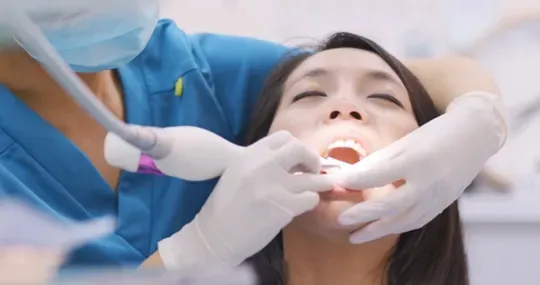
The first step is to assess the condition of your teeth and supporting tissues. Your dentist may examine the gums, measure periodontal pockets, check for tooth mobility and recommend X-rays when appropriate. The findings help determine whether you need routine preventive care, treatment for gingivitis or more comprehensive periodontal management.
A treatment plan should also consider your medical history, smoking status, oral hygiene habits and previous dental treatment. This personalised approach is important because two patients with similar symptoms may have different levels of disease and different treatment needs.
Professional Cleaning and Plaque Control
For many patients, improving plaque control is a central part of gum care. Professional scaling removes tartar that cannot be removed at home, while personalised brushing and interdental cleaning advice can help prevent plaque from accumulating again.
Treatment for Established Periodontitis
If periodontitis is diagnosed, treatment may include scaling and root planing to remove bacterial deposits below the gumline. Some cases may require further periodontal procedures or referral to a specialist, depending on the severity of the condition and the response to initial treatment.
Long-Term Periodontal Maintenance
Periodontitis can be managed, but it may require ongoing attention. Regular monitoring allows a dental professional to assess gum stability, review home-care techniques and identify signs of recurring inflammation. The recommended interval should be based on individual needs rather than a universal schedule.
Practical Ways to Protect Your Gums at Every Age
Brush Thoroughly Without Scrubbing Aggressively
Use a soft-bristled toothbrush and fluoride toothpaste twice daily. Position the bristles gently along the gumline and clean all tooth surfaces, including the back teeth. Electric toothbrushes can be helpful for some people, but effective technique matters regardless of the type of toothbrush used.
Clean the Spaces Between Your Teeth
Plaque often collects in areas that toothbrush bristles cannot reach. Floss or appropriately sized interdental brushes can help remove deposits between teeth. If you have bridges, implants or larger spaces between teeth, ask your dental professional which cleaning tools are suitable.
Pay Attention to Changes in Your Mouth
Do not dismiss recurring bleeding, swelling or new gum recession simply because there is no pain. Taking note of when symptoms started and whether they are getting worse can help your dentist understand the problem during your appointment.
Support Older Family Members with Oral Care
Some older adults may struggle with brushing because of reduced hand dexterity, limited mobility or other health concerns. A suitable toothbrush, simple routine and practical support can make oral hygiene easier. If a family member wears dentures, these also need proper cleaning, and the mouth should still be checked for irritation or other concerns.
Finding a Dentist at Clementi for Long-Term Gum Care
Choosing dental care is a personal decision, particularly when you are concerned about the future of your natural teeth. Look for a clinic where you can discuss symptoms openly, receive clear explanations and understand the benefits and limitations of recommended treatment. Good periodontal care involves both clinical treatment when needed and practical habits that patients can maintain at home.
Ginza Dental Surgery is located at Blk 612 Clementi West Street 1, #01-302, Singapore 120612, behind West Coast Plaza. For residents around Clementi and West Coast, the clinic provides a local point of contact for enquiries about gum health, dental assessments and suitable treatment options.
Frequently Asked Questions About Keeping Your Natural Teeth Healthy
Can gum disease make healthy teeth fall out?
Advanced periodontal disease can damage the bone and tissues supporting teeth, potentially causing mobility and tooth loss even when a tooth has no obvious cavity. This is why gum health is an important part of maintaining natural teeth.
Is tooth loss a normal part of ageing?
No. Ageing does not automatically mean you will lose your teeth. Good oral hygiene, appropriate dental care and management of risk factors can help people maintain their natural teeth as they grow older.
Can receding gums grow back naturally?
Gum tissue that has receded generally does not grow back on its own. Treatment depends on the cause and severity, and certain cases may be considered for specialist procedures. A dentist can explain what options are appropriate.
Does everyone with gum disease need deep cleaning?
No. Treatment depends on the diagnosis and severity. Gingivitis may be managed with improved plaque control and professional cleaning, while periodontitis may require more extensive treatment.
How can I arrange a gum assessment in Clementi?
Contact Ginza Dental Surgery at +65 6774 4901 to enquire about available appointments, gum assessment services and relevant treatment fees.
Make Your Gum Health a Priority Before Problems Progress
Your natural teeth deserve support from healthy gums, whether you are planning for the years ahead or addressing a concern you have recently noticed. If you are looking for a dentist at clementi to discuss bleeding gums, gum recession or periodontal care, consider contacting Ginza Dental Surgery for an assessment. Learn more through the clinic's gum disease symptoms and treatment guide in Clementi, or call +65 6774 4901 to enquire about your next appointment. Taking action while you still have options is a practical investment in the comfort, function and health of your natural smile.