Smarter Material Handling Solutions for Businesses Ready to Move More
Toyota forklift Singapore
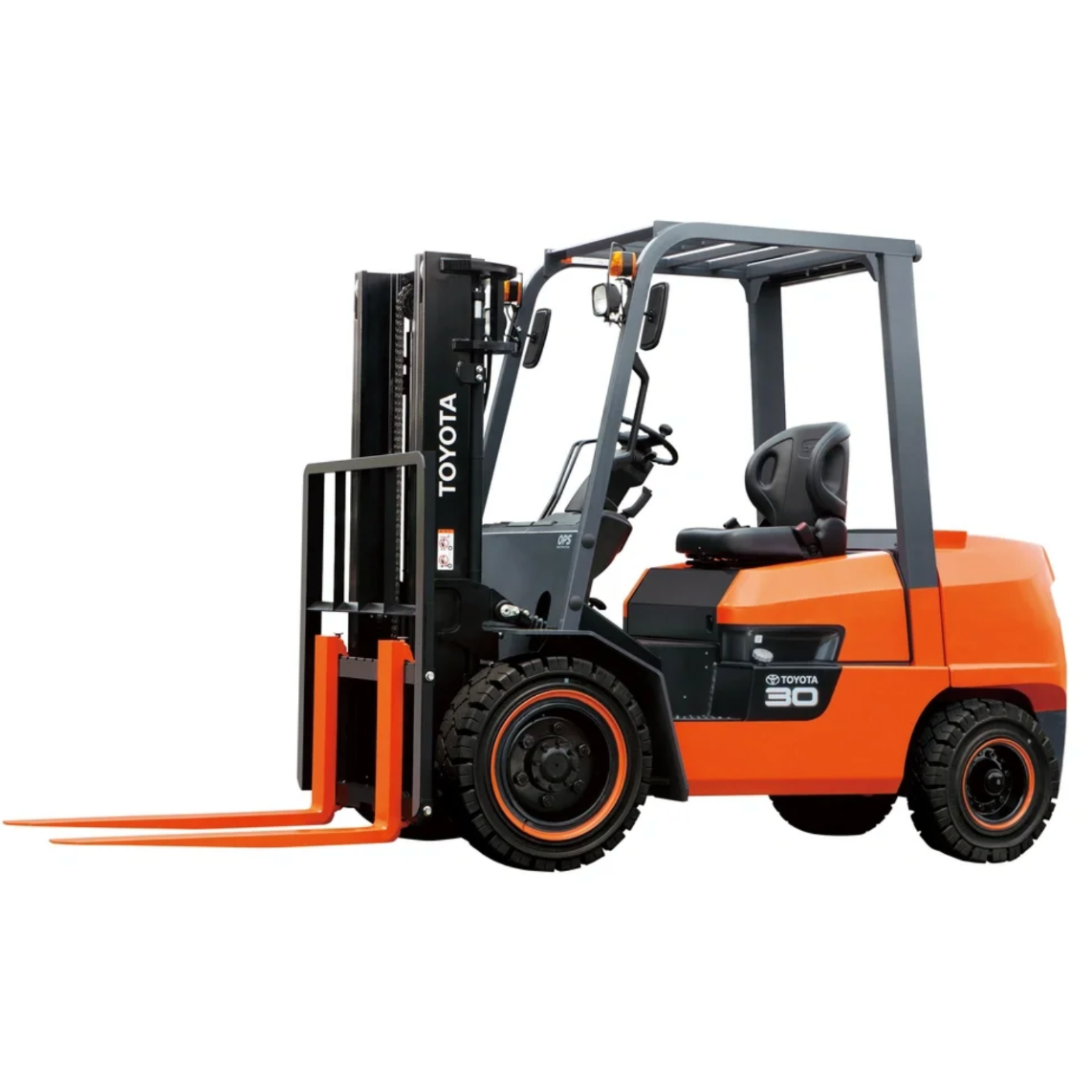
Running a warehouse, distribution centre or manufacturing facility in Singapore means dealing with tight schedules, rising operating costs and constant pressure to deliver orders on time. When goods need to move safely and efficiently, the right forklift is not just another piece of equipment; it is an essential part of keeping your entire operation moving.
For businesses looking for Toyota forklift Singapore solutions, choosing the right equipment and a reliable support partner can make a real difference to daily productivity. From electric forklift options and warehouse material handling equipment to genuine spare parts and operator training, the right combination helps businesses build a safer, more efficient and dependable workplace.
Why Singapore Businesses Need the Right Forklift Partner
Singapore's logistics, manufacturing, wholesale and distribution sectors depend on efficient material handling to keep goods moving between receiving bays, storage areas, production lines and delivery vehicles. Even a small delay in moving pallets can affect loading schedules, staff productivity and customer commitments, especially when the warehouse handles high volumes throughout the day.
A suitable forklift helps reduce unnecessary manual handling, supports consistent material movement and makes better use of available warehouse space. However, selecting the right machine requires more than comparing prices; businesses should consider load capacity, lifting height, operating environment, daily usage, maintenance requirements and the availability of after-sales support.
Choosing Toyota Forklift for Your Operational Needs
Toyota forklift equipment is worth considering for businesses that prioritise practical performance, operator usability and long-term equipment management. Different models and configurations serve different applications, so the best choice depends on the actual work carried out at your premises rather than brand preference alone.
Before purchasing a Toyota forklift, review the heaviest loads your team regularly handles, the width of your warehouse aisles and the height of your storage racks. You should also assess whether the machine will operate indoors, outdoors or across both environments, as these factors influence the most suitable forklift configuration.
Avoid Buying Equipment That Does Not Fit Your Business
A forklift with insufficient capacity can restrict daily operations, while an oversized machine may take up valuable space and cost more to operate than necessary. Choosing based solely on the initial purchase price can also lead to avoidable expenses if the equipment does not suit your working conditions.
A more practical approach is to assess the total cost of ownership, including acquisition or rental costs, energy consumption, scheduled servicing, replacement parts, operator training and expected utilisation. This gives procurement teams a clearer picture of how the equipment supports productivity over its working life.
Electric Forklift Singapore: A Practical Choice for Modern Warehouses
As businesses review their warehouse operations, the electric forklift has become an important option to consider, particularly for indoor material handling. Electric models can offer quiet operation and zero tailpipe emissions during use, making them suitable for many enclosed working environments where ventilation, noise and workplace comfort matter.
The suitability of an electric forklift depends on factors such as battery technology, charging arrangements, shift patterns, load requirements and the availability of charging facilities. Businesses operating multiple shifts should evaluate whether their charging strategy can support daily demand without interrupting essential warehouse activities.
What Makes an Electric Forklift Worth Considering?
Electric forklifts may help businesses reduce certain routine maintenance requirements associated with internal combustion equipment because they have fewer engine-related service items. Their operating costs, however, depend on electricity prices, battery performance, maintenance needs, utilisation and the specific machine selected.
For warehouse managers, the key is to match the equipment to the operating schedule. A facility that handles light-to-moderate loads during one shift may have different requirements from a distribution centre running intensive operations across several shifts.
Electric Forklift or Internal Combustion Forklift?
The right choice depends on where and how your team works. Electric forklifts are often suitable for indoor operations, while selected internal combustion models may be more appropriate for certain outdoor applications or environments where operating conditions favour them.
Business requirement
What to evaluate
Indoor warehouse operations
Emissions during use, noise and aisle dimensions
Multi-shift operations
Battery capacity, charging time and shift coverage
Outdoor material handling
Surface conditions, weather exposure and operating environment
Heavy pallet movement
Rated capacity, load centre and attachment requirements
Cost management
Energy, maintenance, utilisation and total ownership cost
A professional equipment assessment helps identify which configuration offers the most practical balance between performance, operating costs and workplace requirements.
Forklift Singapore Solutions Beyond the Machine
Businesses searching for forklift Singapore suppliers should look beyond the equipment itself. Reliable material handling depends on a complete operating arrangement that includes suitable machinery, maintenance planning, replacement parts, operator competency and technical support when problems arise.
A forklift that meets the technical requirements but lacks a suitable maintenance arrangement can become a source of operational uncertainty. For warehouse managers, having a clear process for servicing, reporting faults and arranging repairs helps teams plan around equipment requirements instead of reacting only when a breakdown occurs.
Improve Warehouse Productivity with the Right Equipment
Different operations require different material handling solutions. Counterbalance forklifts are commonly considered for pallet movement and loading activities, while reach trucks may suit warehouse environments that require access to higher racking and narrower aisles, subject to the model's specifications and site conditions.
For facilities with frequent pallet transfers, electric pallet trucks and stackers may complement forklift operations. Using the right equipment for each task can reduce unnecessary movement, improve workflow organisation and help employees handle goods more efficiently.
Assess Your Warehouse Before Making a Purchase
Start by mapping the movement of goods from receiving to storage, picking, staging and dispatch. Identify where queues occur, which activities consume the most time and whether existing equipment creates bottlenecks during busy periods.
This assessment gives your procurement team a stronger basis for deciding whether to purchase another forklift, change the equipment configuration, improve warehouse layout or consider a combination of material handling solutions. The objective is to solve a real operational problem rather than simply add another machine to the fleet.
Toyota Forklift Spare Parts to Support Long-Term Performance
Even well-maintained forklifts experience component wear over time. Tyres, filters, braking components, hydraulic parts and other service items require attention according to the machine's design, operating hours and maintenance schedule.
Access to suitable Toyota forklift spare parts is therefore an important consideration when selecting an equipment supplier. Correctly matched parts help maintenance teams carry out appropriate repairs and servicing while reducing the risk of fitting components that are unsuitable for the machine.
Why Genuine Toyota Forklift Spare Parts Matter
Genuine parts are designed for the relevant equipment specifications and can help support reliable performance when installed and maintained correctly. Using the correct components also helps technicians follow the manufacturer's maintenance requirements and assess recurring issues more accurately.
UMW Equipment & Engineering lists genuine Toyota forklift maintenance parts among its material handling support offerings. Businesses can review the available parts information through its official forklift and pallet stacker parts page.
Reduce Avoidable Downtime with Preventive Maintenance
Waiting until a forklift develops a serious fault can disrupt loading schedules, delay production activities and create pressure on other machines in the fleet. Preventive maintenance provides a more structured way to identify wear, address developing issues and plan servicing around operational needs.
Warehouse managers should maintain service records, monitor recurring faults and report unusual noises, handling changes or warning indicators promptly. When requesting replacement parts, provide the forklift model and serial number where available so the supplier can help identify the correct components.
Forklift Training for Safer and More Confident Operations
Equipment performance is only one part of warehouse productivity. Operators must also understand how to handle loads, manoeuvre safely, recognise hazards and follow the relevant workplace procedures.
Forklift training helps build the practical skills and safety awareness needed for responsible equipment operation. It is particularly important when onboarding new employees, introducing different equipment or addressing gaps identified during workplace safety reviews.
Build Operator Competency Before Increasing Productivity Targets
A well-trained operator understands that safe lifting involves more than moving the forks under a pallet. Load stability, rated capacity, visibility, pedestrian movement, floor conditions and the forklift's operating limits all affect how a task should be performed.
Employers should ensure that operators receive training appropriate to the equipment and comply with applicable Singapore workplace safety requirements. Training and authorisation should be verified before employees are assigned forklift duties, and refresher training should be considered when working conditions, equipment or operator performance indicate a need.
Make Safety Part of Your Daily Warehouse Routine
Training delivers better value when supported by clear workplace procedures. Pre-use checks, pedestrian segregation, designated travel routes, suitable speed limits and proper reporting of equipment defects help reinforce the safe practices employees learn during training.
UMW Equipment & Engineering provides information about its forklift operator training programmes. Businesses can review the programme details and confirm the current course requirements, eligibility and arrangements directly with the provider.
Why Consider UMW Equipment & Engineering for Toyota Forklift Singapore?
Finding a suitable forklift supplier involves evaluating product knowledge, parts availability, technical support and the ability to understand your operating environment. A supplier that can discuss these requirements with your team helps make the equipment selection process more structured and commercially practical.
UMW Equipment & Engineering Pte Ltd is identified by Toyota Material Handling International as its official reseller in Singapore. Its local business information lists its address at 108 International Road, Singapore 629173, and its contact number as +65 6265 3155. You can verify these details through the Toyota Material Handling International local representation directory.
A More Complete Approach to Material Handling
Rather than treating equipment, servicing, parts and training as separate purchasing decisions, businesses can evaluate how these elements work together. A suitable forklift fleet supported by planned maintenance and competent operators provides a stronger foundation for consistent warehouse operations.
When discussing your requirements with the supplier, prepare information about your typical loads, lifting heights, daily operating hours, warehouse layout and expected delivery or installation timeline. Ask for suitable model recommendations, current quotations, warranty details, maintenance arrangements and confirmation of parts availability for the equipment under consideration.
Plan for Business Growth, Not Just Today's Workload
Your material handling requirements may change as order volumes increase, warehouse layouts evolve or new customer contracts introduce different handling needs. Selecting equipment with these future requirements in mind can help avoid unnecessary replacements and support more informed capital expenditure decisions.
However, future-proofing does not mean buying the largest or most expensive machine available. It means choosing equipment that meets present requirements while allowing reasonable flexibility for anticipated changes in workload, operating conditions and fleet utilisation.
Frequently Asked Questions About Toyota Forklift Singapore
How do I choose the right Toyota forklift in Singapore?
Begin with your load capacity, lifting height, aisle width, operating environment and daily utilisation. Then compare suitable models, energy requirements, maintenance arrangements and total ownership costs with an authorised local supplier.
Is an electric forklift suitable for indoor warehouses?
An electric forklift can be suitable for many indoor warehouse applications because it produces no tailpipe emissions during operation and generally operates more quietly than comparable combustion equipment. Confirm that its capacity, battery configuration, charging requirements and dimensions suit your actual working conditions.
Where can I enquire about Toyota forklift spare parts?
UMW Equipment & Engineering provides information about Toyota forklift parts through its official parts webpage. Have the machine's model and serial number ready when making an enquiry to help identify the appropriate components.
Why is forklift training important for Singapore businesses?
Forklift training develops operator competency and supports safer handling practices. Employers should ensure that operators meet applicable training and workplace safety requirements before operating equipment, with suitable supervision and ongoing safety management.
Where can I enquire about Toyota forklift products and services?
Visit the official Toyota Material Handling Singapore website operated by UMW Equipment & Engineering to explore the available information and contact the team about your business requirements.
Move Your Warehouse Forward with Toyota Forklift Singapore
Every delayed pallet, unplanned equipment stoppage and inefficient handling process can put pressure on your warehouse schedule and operating budget. Choosing the right forklift, maintaining access to suitable spare parts and investing in competent operators can help your business build a more dependable material handling operation.
If your business is ready to improve warehouse productivity, review your equipment options with Toyota Material Handling through Sime UMW. Visit https://toyota-mhe.simeumw.com/home to explore Toyota forklift solutions for your Singapore operations and enquire about suitable forklifts, electric forklift options, genuine Toyota forklift spare parts and forklift training. Speak with the team about your actual operating requirements and take the next step towards a safer, more efficient and better-supported material handling operation.